Embroidery Bundle: A Designer’s Craft Fair Review
As an embroidery designer who has spent countless weekends standing behind booths at local craft fairs and farmers' markets, I have learned that not every digital file translates into a best-selling physical product. When I downloaded the Embroidery Bundle, my immediate goal was to determine if these designs could carry the weight of a profitable handmade business. The promise of the product is enticing: a versatile collection suitable for home decor, clothes, accessories, and bedsheets. But does it hold up under the harsh fluorescent lights of a convention center or the soft, natural light of an outdoor market stall? Here is my honest review from the perspective of someone who stitches, sells, and scrutinizes every loop.
First Impressions and Visual Appeal
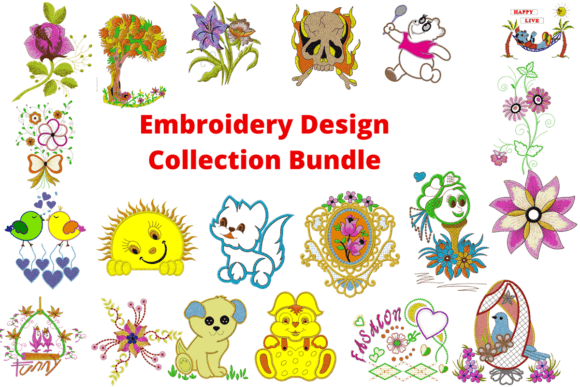
The first thing I look for in any machine embroidery design is its visual personality. Does it scream "buy me" from ten feet away? The Embroidery Bundle presents itself as a highly adaptable asset. Based on the description, which encourages use on everything from tea towels to tote bags, the aesthetic leans toward versatile and decorative. It feels like a collection that balances modern simplicity with traditional charm, making it safe yet appealing for a broad demographic. For a craft fair seller, this versatility is gold. You do not want a design that is so niche it only appeals to one specific customer type. You want a Bundles approach that allows you to pivot quickly based on what is trending that season.
When I loaded the files into my software, the initial preview suggested clean lines and balanced composition. This is crucial because customers at a market often make split-second decisions. A design that looks cluttered or confusing on a small screen will look even worse when stitched out on textured fabric. The Embroidery Bundle appears to prioritize clarity, ensuring that the motif remains recognizable whether it is placed on a small pouch or a large pillow cover.
Product Versatility for the Handmade Seller
The true test of any digital embroidery file is how it performs across different substrates. I selected a few key items from my inventory to test these designs: canvas tote bags, linen aprons, waffle-weave tea towels, and structured caps. Here is how the bundle performed in real-world scenarios.
- Tote Bag Design: Canvas is a forgiving fabric, but it can pucker if the stitch density is too high. The designs in this bundle worked well as focal points on standard tote bags. They provided enough visual interest to justify a higher price point for the finished product without overwhelming the bag's utility.
- Apron Embroidery: For kitchenware, simplicity is key. The Embroidery Bundle offered motifs that looked charming on bib aprons. I found that placing the design on the pocket area created a professional, boutique look that appeals to home cooks and foodies alike.
- Tea Towel Embroidery: This was the trickiest test. Tea towels have a loose weave and significant texture. Some smaller details in the design risked getting lost in the fabric grain. However, by using a cut-away stabilizer and ensuring the hoop size was appropriate, the results were crisp. This proves that while the design is versatile, the maker’s skill in handling fabric texture is paramount.
- Embroidered Patch: I also tested the designs on twill for patches. The boldness of the lines held up well, making them ideal for iron-on applications. This opens up a secondary revenue stream for Etsy sellers who prefer selling accessories rather than large home decor items.
Production Practicality and Batch Selling
For those of us running a small shop product line, time is money. A design might look beautiful, but if it takes four hours to stitch and requires constant thread changes, it is not viable for a craft fair product lineup. The Embroidery Bundle seems designed with efficiency in mind. The motifs are concise, suggesting reasonable run times that allow for batch production. This is essential for preparing inventory before a big market weekend.
Furthermore, the designs photograph exceptionally well. In today’s market, your online presence is just as important as your physical booth. I created a printable mockup using one of the designs on a neutral linen background, and the contrast was striking. High-quality images drive clicks for Etsy sellers, and this bundle provides the visual punch needed to stand out in a crowded digital marketplace. The consistency across the bundle also helps with brand identity. Using a cohesive set of designs on various items makes your booth look curated and professional, rather than random.
Critical Considerations for Quality Control
While the potential is high, there are critical warnings in the product description that every serious embroiderer must heed: Resizing or editing the designs is not recommended, and the quality of the designs cannot be guaranteed if altered. This is a standard but vital constraint in commercial embroidery. Digital files are engineered with specific pull compensation and stitch angles. Changing the scale disrupts this balance, leading to gaps, puckering, or thread breaks.
I encountered a few challenges that prospective buyers should anticipate:
- Dense Stitch Areas: Some motifs had tighter clustering of stitches. On thick fabrics like denim or heavy canvas, this can cause stiffness. I recommend testing on scrap fabric first to ensure the hand of the fabric remains soft enough for wearables.
- Small Lettering and Details: If the bundle includes text elements, be cautious. Tiny details can merge together on textured towels or if the tension is slightly off. Always inspect the design at 100% zoom before stitching.
- Curved Surfaces: Applying these designs to caps requires experience. The curvature of a cap distorts the visual proportion of a design. What looks centered on a flat hoop may look skewed on a hat. Use proper cap frames and stabilizers to mitigate this.
- Dark Fabric Contrast: Ensure your thread colors pop against the fabric. A dark navy design on a black shirt will vanish. The success of the Embroidery Bundle relies heavily on your choice of thread colors relative to the base material.
Final Verdict for Creative Entrepreneurs
So, is the Embroidery Bundle worth the investment for your handmade business? From my perspective, yes, but with conditions. It is an excellent resource for expanding your product range without spending weeks creating new artwork from scratch. It allows you to focus on what you do best: selecting high-quality blanks, choosing premium threads, and executing precise stitching.
For the Etsy seller or boutique maker, this bundle offers a quick way to refresh your listings. For the craft fair veteran, it provides reliable, eye-catching designs that perform well on high-traffic items like tote bags and aprons. However, success is not guaranteed by the file alone. You must respect the technical limitations. Do not resize the files. Test your stabilizer choices. Check your hoop size compatibility. And most importantly, verify the commercial licensing terms included with the download to ensure you are compliant when selling finished products.
In conclusion, the Embroidery Bundle is a strong contender for your design library. It bridges the gap between aesthetic appeal and production practicality. By treating these assets with the care they require—respecting the original digitizing and pairing them with quality materials—you can create finished products that not only sell but also build a reputation for excellence in your handmade brand.