Olive Oil Embroidery Design: A Pro Review
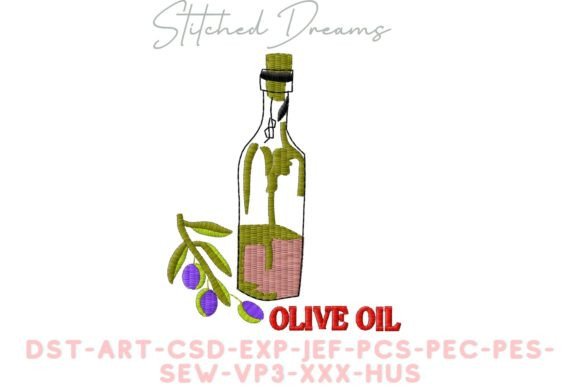
As an embroidery designer who has spent years digitizing for small businesses and boutique brands, I approach every new digital embroidery file with a critical eye. It is not just about whether the design looks pretty on a screen; it is about how it performs in the real world of commercial production. Recently, I reviewed the Olive Oil Embroidery Design, a stylized representation of an elegant olive oil bottle. For business owners in the culinary, artisanal, or lifestyle sectors, this design offers a unique opportunity to elevate their branded merchandise. Here is my professional assessment of its potential for small business merch, custom apparel, and branded patches.
First Impressions: Elegance Meets Artisanal Charm
The first thing that strikes me about the Olive Oil Embroidery Design is its visual personality. The description highlights a sleek and slender bottle shape adorned with intricate details. In the context of Food and beverage branding, this aesthetic leans heavily toward premium and elegant. It does not scream "fast food"; rather, it whispers "boutique," "organic," and "handcrafted."
For a small business owner, this distinction is vital. If you run a high-end café, a specialty bakery, or a local olive oil producer, your brand identity needs to convey quality. This design achieves that through its slender proportions and detailed ornamentation. It feels decorative yet professional, making it suitable for brands that want to project sophistication without appearing stiff or corporate. The intricate details suggest a level of care that aligns perfectly with handmade products and artisanal goods.
Real-World Applications for Small Business Merch
When evaluating a design for commercial use, I always ask: where does it live best? The Olive Oil Embroidery Design is versatile, but it shines brightest in specific applications. Here is how I envision it working for various business assets:
- Embroidered Patches: This is perhaps the strongest use case. An embroidered patch featuring this bottle can be sewn onto canvas tote bags, denim jackets, or aprons. Patches allow for higher stitch density and more detail than direct-to-garment embroidery, preserving the intricate elements of the bottle.
- Staff Uniforms and Aprons: For a boutique grocery store or a gourmet kitchen, apron embroidery adds a touch of professionalism. Placing this design on the chest pocket area of a high-quality linen or cotton apron creates a cohesive look for staff, reinforcing brand recognition with every customer interaction.
- Tote Bag Design: Reusable bags are a staple for eco-conscious brands. The slender shape of the olive oil bottle translates well to the vertical space of a tote bag handle or center panel. It serves as a subtle mark of quality for customers carrying their purchases.
- Cap Embroidery: While possible, this requires caution. The intricate details might get lost on the curved surface of a cap front unless the design is simplified or enlarged. However, as a side-panel accent on a structured cap, it could work beautifully for a sophisticated streetwear or culinary brand.
Technical Considerations and Production Challenges
While the aesthetic appeal is strong, any experienced embroiderer knows that beauty must be balanced with technical feasibility. The Olive Oil Embroidery Design features intricate details, which presents specific challenges during production. Here are the key technical factors to consider before running this file on your machine:
Stitch Density and Detail: Intricate details often require fine stitching. If the stitch density is too high, the fabric may pucker, especially on lighter materials like cotton tees or silk blends. Conversely, if the density is too low, the small details of the bottle’s adornments may not register clearly. I recommend testing the design on a scrap piece of your intended fabric to check for clarity and stability.
Fabric Texture and Contrast: The success of this design depends heavily on thread color contrast. Since the bottle is likely depicted in greens, golds, or earth tones, ensure these colors pop against your base fabric. On dark uniforms, you may need to adjust the underlay or choose brighter thread shades to maintain visibility. Additionally, textured fabrics like terry cloth or heavy canvas can obscure fine lines, so this design is better suited for smooth or tightly woven materials.
Hoop Size and Placement: Always confirm the recommended hoop size before purchasing. If the design is large, it may require a 5x7 or 6x10 hoop, limiting its placement options on smaller items like pocket areas. For small patch sizes, ensure the design scales down without losing its defining features. Tiny lettering or thin outlines can break or become indistinct if reduced too much.
Enhancing Brand Identity and Customer Trust
Beyond the technical aspects, the Olive Oil Embroidery Design serves a strategic marketing purpose. In today’s market, customers value authenticity and transparency. A well-executed embroidered logo signals that a business invests in quality. When a customer receives a tote bag or wears an apron with this elegant bottle design, it reinforces the perception of a premium, trustworthy brand.
This consistency across design assets—from your website to your physical merchandise—builds strong brand identity. Whether used as a gift with purchase, a staff uniform element, or a standalone product on Etsy, the design acts as a tactile reminder of your brand’s values. It transforms a simple item into a keepsake, increasing buyer engagement and loyalty. For handmade brands, this level of detail distinguishes your products from mass-produced alternatives, justifying a higher price point and enhancing the perceived value of the finished product.
Practical Designer Notes for Best Results
To ensure the best outcome with this machine embroidery design, follow these practical steps before full-scale production:
- Test in Black and White First: Before committing to colored threads, stitch out the design in black thread on white fabric. This helps you evaluate the clarity of the outlines and the balance of positive and negative space without the distraction of color.
- Check Scalability: Verify if the design holds up at smaller sizes. If you plan to use it on caps or small patches, ensure the intricate details do not merge into a solid blob.
- Review Thread Colors: Create a printable mockup using your brand’s specific thread colors. Compare it beside other design assets to ensure visual consistency across your product line.
- Use Proper Stabilizer: Given the potential for detailed stitching, use a cut-away stabilizer for garments that will undergo frequent washing, such as staff uniforms. For patches, a tear-away might suffice depending on the backing material.
- Confirm Licensing: Always check the license terms included with the digital embroidery file. Ensure it covers commercial use for the number of units you plan to produce. Never assume; always read the fine print to protect your business.
In conclusion, the Olive Oil Embroidery Design is a compelling choice for businesses in the culinary and artisanal spaces. Its elegant, stylized approach offers a sophisticated alternative to generic food icons. By paying attention to technical details like stitch density, fabric choice, and placement, you can leverage this design to create high-quality, memorable merchandise that strengthens your brand identity and delights your customers.