Review: Spring Flowers Embroidery Design for Real Projects
As a designer who has spent countless hours digitizing and stitching out files, I have learned that a pretty preview image is only half the story. The true test of any machine embroidery design happens when the needle hits the fabric. Recently, I evaluated the Spring Flowers Embroidery Design to see if it holds up under the scrutiny of real-world production. This is not just about aesthetics; it is about functionality, stitch quality, and how the final piece feels in the hand of a customer.
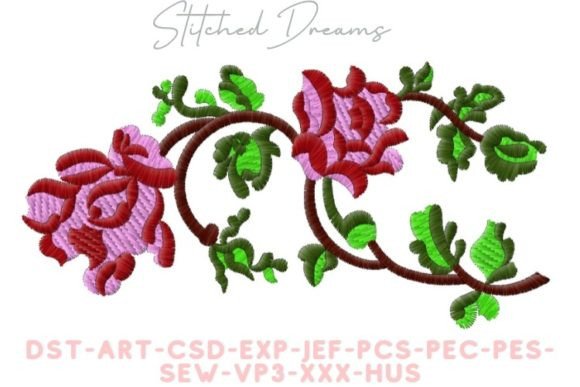
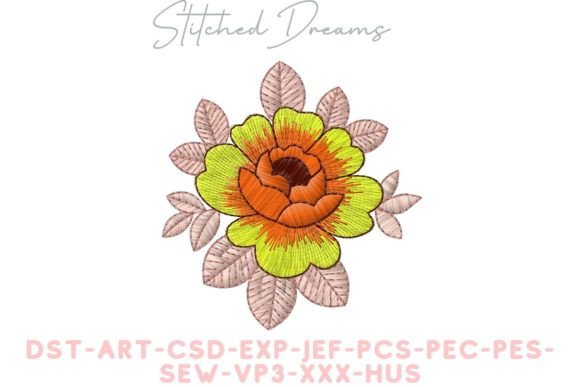
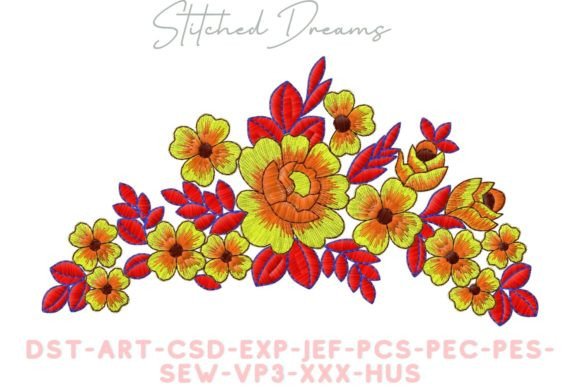
The first impression of this design is one of delicate balance. It falls squarely into the Single Flowers category, yet it feels more like a curated botanical arrangement than a simple isolated motif. The composition features intricate elements, including layered petals, slender leaves, and subtle ornaments that add depth without overwhelming the eye. For those of us running small shops or creating handmade products, this visual personality is crucial. It suggests elegance and care, which translates directly to perceived value.
Visual Appeal and Stitch Clarity
When I loaded the digital embroidery file into my software, the layout immediately stood out. The focal point is clear, drawing the viewer’s eye to the center of the floral arrangement before guiding it outward through the supporting foliage. This hierarchy is essential for embroidery project success, especially on items where space is limited. The design avoids the common pitfall of looking muddy from a distance. Instead, the separation between elements allows each satin stitch and fill stitch to breathe.
In terms of mood, the design evokes freshness and renewal. It is versatile enough to work for spring collections but timeless enough for year-round use. Whether you are creating a personalized gift for a wedding or adding a touch of nature to a boutique brand, the aesthetic fits seamlessly. The intricacy suggests high effort, which helps justify higher price points for Etsy sellers and craft business owners.
Real-World Application: The Tote Bag Test
To truly understand how this design performs, I simulated its use on a canvas tote bag. This is a popular item for small shop products and market stalls. I placed the design slightly off-center to create a modern, asymmetrical look. On heavy cotton canvas, the stitch density appeared well-balanced. It was dense enough to cover the fabric texture completely, ensuring no background peeked through, but not so dense that it caused puckering or stiffness.
This balance is critical for custom apparel as well. If I were to apply this to a sweatshirt embroidery project, the weight of the stitches would need to be considered. Heavy designs on soft fleece can cause the garment to sag or feel uncomfortable against the skin. However, because this design relies on delicate lines and open spaces rather than solid blocks of color, it remains lightweight. It would also work beautifully as an embroidered patch, where the backing provides additional stability, allowing for crisp edges and vibrant thread colors.
Versatility Across Product Lines
- Baby Embroidery: The soft, organic shapes are perfect for nursery decor or baby clothes. Just ensure the thread is soft and the backing is cut away gently to avoid irritation.
- Holiday Embroidery: By adjusting the palette, this design can transition from pastel springs to vibrant summer themes, making it a flexible asset for seasonal collections.
- Kitchen Textiles: On tea towels or aprons, the design adds a charming, handmade touch. Ensure you use a water-soluble stabilizer to keep the fabric clean and crisp.
- Caps and Hats: While possible, curved surfaces require careful hooping. The detailed corners of the leaves might need simplification or higher tension adjustments to prevent distortion on structured caps.
Technical Considerations and Fabric Choice
No design is universal, and the Spring Flowers Embroidery Design requires thoughtful material selection. Because it features fine details and running stitch outlines, it performs best on smooth, medium-weight fabrics. Thin or stretchy materials, such as jersey knits or silk, pose a challenge. Without proper stabilization, the delicate lines can warp, and the fabric may pucker around the dense areas.
If you are working with textured fabrics like linen or burlap, test the design on a scrap piece first. The texture of the fabric can interfere with the clarity of small details. In some cases, using an applique technique might be a smarter choice if the design allows for it, though this specific file appears to be primarily stitched. Always check the hoop size requirements. While it is a single flower motif, the surrounding ornaments may require a larger hoop than expected. Cramping the design into a small hoop can lead to misalignment and poor stitch quality.
Dark fabrics present another consideration. If the design includes light-colored threads, ensure there is adequate underlay stitching to prevent the fabric color from showing through. Conversely, on light fabrics, dark threads will pop, but any stray fibers or lint will be more visible. A thorough cleaning of the machine and fabric before stitching is non-negotiable for a professional finished product.
Commercial Viability and Branding
For commercial embroidery and digital product sellers, consistency is key. This design offers a level of professionalism that builds customer trust. When buyers see clean, well-defined stitches, they associate that quality with your brand. It enhances the giftability of the item, making it an attractive option for holidays, birthdays, and special occasions.
However, before selling, you must verify the licensing terms. Not all design assets allow for unlimited commercial use. Check whether you can sell the physical embroidered item, the digital file itself, or both. Additionally, consider creating printable mockups to showcase the design on various products online. High-quality images that highlight the texture and dimension of the stitches can significantly boost buyer engagement on platforms like Etsy.
Practical Designer Notes
Before committing to a large production run, follow these steps to ensure success:
- Test on Scrap Fabric: Always stitch out a sample on the exact fabric and stabilizer combination you plan to use. This reveals any tension issues or density problems.
- Check Thread Contrast: View the design in black and white on your screen. If the details disappear, the contrast between thread colors may be too low for practical visibility.
- Inspect Small Details: Zoom in on the leaf tips and ornament edges. Ensure they are not too fine to stitch reliably on your specific machine.
- Confirm Hoop Size: Measure the design dimensions against your available hoops. Leave at least one inch of margin around the design for secure hooping.
- Use Proper Stabilizer: Match the stabilizer to the fabric. Cut-away for stretchy knits, tear-away for stable wovens, and wash-away for delicate or sheer fabrics.
In conclusion, the Spring Flowers Embroidery Design is a strong contender for designers looking to add a touch of botanical elegance to their portfolio. It balances artistic flair with technical practicality, making it suitable for a wide range of applications from tote bag design to high-end custom apparel. By respecting the technical limitations of fabric and machine, you can leverage this design to create products that not only look beautiful but also stand the test of time. It is a reminder that in the world of Embroidery, the best designs are those that respect both the art and the craft.