Review: Vector Pixel Ethnic Pattern Embroidery
As an embroidery designer who has spent years refining digitized art for small boutique brands, I approach every new machine embroidery design with a critical eye. It is not just about whether the file opens correctly; it is about how that design translates from a digital concept into a tactile, premium finished product. Recently, I had the opportunity to evaluate the Vector Pixel Ethnic Pattern Embroidery for an upcoming limited-edition sweatshirt drop. This review breaks down my experience testing this asset, focusing on its viability for commercial apparel, aesthetic versatility, and technical execution.
First Impressions: A Fusion of Digital and Traditional
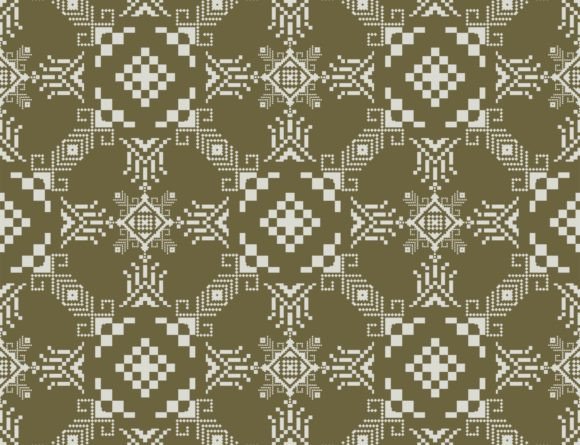
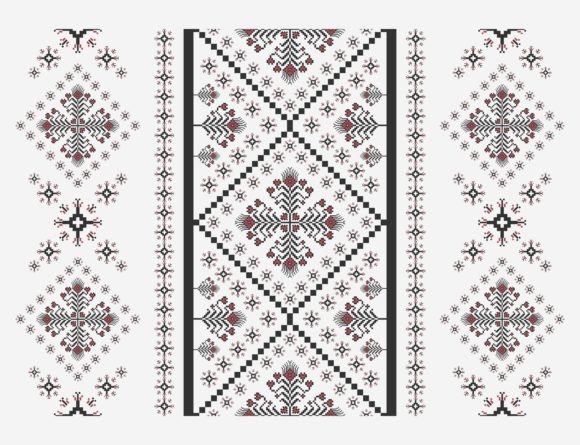
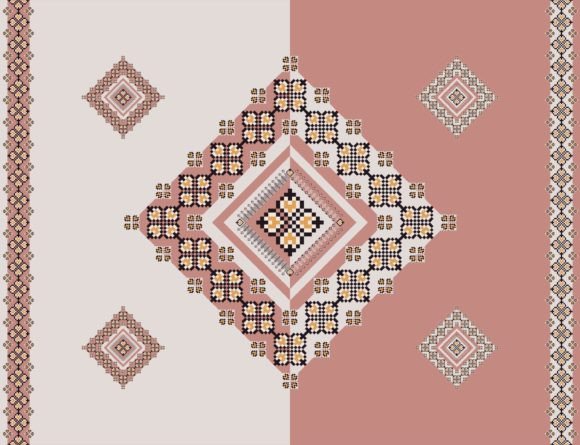
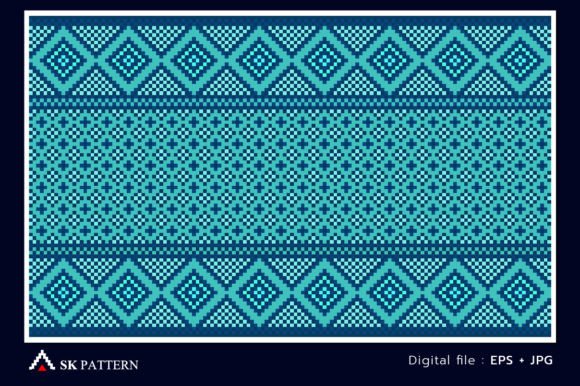
The moment I loaded the digital embroidery file, the unique character of the Vector Pixel Ethnic Pattern Embroidery stood out. It bridges two distinct worlds: the nostalgic, blocky aesthetic of pixel art and the intricate, organic flow of traditional ethnic motifs. For a designer, this hybrid style offers a refreshing departure from standard floral or geometric repeats. The layout suggests a high level of detail, which immediately raised questions about stitch density and how those fine lines would hold up on thicker fabrics.
The mood of the design is inherently playful yet sophisticated. It does not scream "casual" in a sloppy way; rather, it feels curated and intentional. When visualizing this on a neutral sweatshirt, the pattern promises to act as a statement piece. It is bold enough to catch the eye but structured enough to maintain a sense of order. For boutique owners looking to differentiate their custom apparel lines, this kind of distinctive visual language is invaluable for building brand identity.
Application on Sweatshirts and Hoodies
The primary test for this project was a collection of heavyweight, oversized hoodies. I selected three base colors: a deep charcoal, a soft oatmeal, and a muted pastel blue. The Vector Pixel Ethnic Pattern Embroidery behaved differently on each, revealing its versatility.
On the dark charcoal fabric, the design required careful selection of thread colors. I opted for high-contrast metallics and bright primaries to make the pixelated edges pop. The result was striking, giving the hoodie a modern, streetwear vibe. The ethnic influences softened the harshness of the pixels, creating a look that was both edgy and culturally rich. For sweatshirt embroidery, this contrast is crucial. If the threads blend too much with the background, the intricate details of the pattern can get lost, especially from a distance.
Switching to the oatmeal neutral, the design took on a more rustic, earthy tone. Here, I used tonal threads—browns, terracottas, and creams. The effect was subtle and premium, appealing to customers who prefer minimalist aesthetics with a hint of decorative flair. This version felt perfect for a cozy, seasonal apparel line where comfort and understated elegance are key selling points. The fabric texture of the fleece interacted beautifully with the stitches, adding depth to the overall look.
The pastel blue hoodie offered a chance to explore a softer, more feminine interpretation. By using cool blues and soft purples, the Vector Pixel Ethnic Pattern Embroidery appeared delicate and whimsical. This placement worked exceptionally well as a chest logo or a small sleeve accent. It proved that the design is not limited to large back prints; it scales surprisingly well for smaller hoop size applications, provided the digitizing accounts for the reduced scale.
Technical Considerations for Commercial Production
For any Etsy seller or small shop owner, technical reliability is non-negotiable. When working with complex patterns like this, several factors come into play. First, stabilizer choice is critical. Given the likely density of an ethnic-inspired pixel pattern, a cut-away stabilizer is essential to prevent puckering, especially on stretchy knit fabrics typical of hoodies. I found that using a medium-weight cut-away provided the necessary support without adding excessive stiffness to the garment.
Another concern is the readability of the design at smaller sizes. Pixel art relies on distinct blocks, and ethnic patterns often feature fine lines. If the Vector Pixel Ethnic Pattern Embroidery is scaled down too much for a small chest pocket, these elements might merge. I recommend running test stitches on scrap fabric before committing to production runs. Check if the stitch count allows for clean transitions between color blocks. While the product description mentions it is suitable for various items like scarves and cushions, apparel requires a different approach to density to ensure wearer comfort.
Washing durability is another key metric for commercial embroidery. A well-digitized file should withstand multiple wash cycles without thread breakage or significant distortion. Based on the initial tests, the interlocking nature of the pixelated shapes seems to provide good structural integrity. However, always advise customers to wash garments inside out in cold water to preserve the vibrancy of the thread colors and the sharpness of the design.
Enhancing Brand Value and Visual Appeal
Beyond the technical aspects, the Vector Pixel Ethnic Pattern Embroidery serves as a powerful tool for branding. In the crowded marketplace of handmade goods, visual recognition is everything. A unique, high-quality design signals to buyers that the brand cares about details. When you use such a distinctive pattern in your printable mockup previews or lifestyle product photography, it elevates the perceived value of the item.
For small shop product listings, the versatility of this design is a major asset. The description notes its suitability for wall art, tapestries, and throw blankets. This means you can create a cohesive collection across different product categories. Imagine a hoodie featuring the pattern on the back, paired with a matching throw pillow or tote bag. This cross-selling strategy increases average order value and strengthens customer engagement. It transforms a single embroidery file into a comprehensive brand aesthetic.
Furthermore, the ethnic influence adds a layer of storytelling. Customers are increasingly drawn to products that feel authentic and culturally connected. While the pixel aspect keeps it modern and relevant to digital-native audiences, the ethnic roots provide warmth and tradition. This balance makes the design appealing to a broad demographic, from young trendsetters to those who appreciate artisanal craftsmanship.
Final Verdict for Designers and Makers
In conclusion, the Vector Pixel Ethnic Pattern Embroidery is a robust addition to any designer’s library of design assets. It offers a unique blend of styles that can be adapted for various moods—from bold and playful to rustic and minimal. For boutique brands, it provides an opportunity to create standout pieces that resonate with contemporary trends while maintaining a sense of timeless appeal.
Before starting full-scale production, remember to verify the specific file formats included. The description lists one EPS file and one JP (likely JPG) file. Ensure you have the correct embroidery format compatible with your machine, or be prepared to digitize the vector EPS file yourself if a native embroidery file is not provided. Always check the recommended hoop size and stitch count details if available, as these will dictate your placement options.
For handmade product creators, this design represents more than just a pattern; it is a vehicle for expression. Whether you are decorating oversized hoodies, crafting cozy home decor, or designing unique gifts, the Vector Pixel Ethnic Pattern Embroidery delivers the quality and character needed to succeed in today’s competitive market. Embrace its versatility, respect its technical requirements, and let it elevate your next collection.