Reviewing Embroidery Design for Boutique Apparel
As an embroidery designer who spends countless hours digitizing and testing patterns for commercial use, I approach every new machine embroidery design with a critical eye. It is not just about whether the pattern looks good on a screen; it is about how it translates to fabric, how it holds up after washing, and whether it adds genuine value to a custom apparel line. Recently, I explored a promising asset categorized under Crafts and Graphics on Creative Fabrica, simply titled Embroidery Design. While the name is generic, the potential application for boutique brands is specific and powerful.
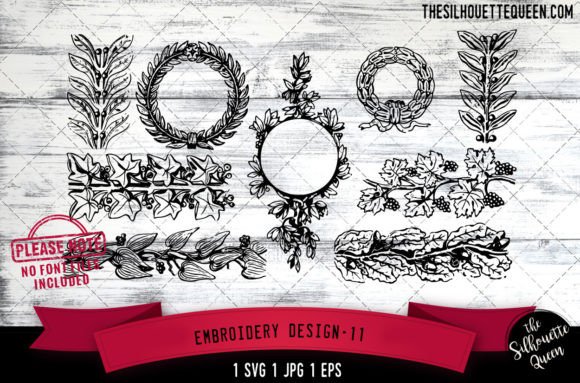
This review focuses on how this digital asset fits into a real-world production workflow, specifically for small clothing brands and Etsy sellers looking to elevate their sweatshirt and hoodie collections. The product includes one EPS file, one PNG file, and one SVG file. This combination suggests versatility, bridging the gap between vector-based graphic design and raster-based visualization, which is crucial for modern handmade product creators who often mix printing and stitching techniques.
First Impressions and Visual Personality
When I first loaded the files, my immediate focus was on the visual personality of the design. In the world of Creative Fabrica embroidery, clarity is king. The included PNG allows for a quick preview of how the design might look as a printed element or a reference for thread color selection. For a boutique brand, the "mood" of a design dictates its placement. Is it playful? Minimal? Rustic?
Although the specific motif varies, the structure provided in the SVG and EPS formats indicates a clean, scalable outline. This is essential for maintaining professional presentation. A muddy or overly complex design can ruin the aesthetic of a high-quality garment. I look for designs that offer decorative strength without overwhelming the fabric texture. This particular asset feels adaptable, suitable for both bold statements on oversized garments and subtle accents on fitted tees. The clean lines suggest a trendy, modern appeal that resonates well with current fashion trends favoring minimalism and classic typography.
Application on Sweatshirts and Hoodies
The primary test for any embroidery file intended for apparel is its performance on heavier fabrics like fleece and French terry. Sweatshirt embroidery requires careful consideration of stitch density. If a design is too dense, it can cause the fabric to pucker or become stiff, ruining the cozy feel of a hoodie.
Imagine preparing a collection of neutral-toned sweatshirts. Placing this design on the left chest area creates a premium, branded look. The SVG format allows me to resize the design precisely to fit standard hoop dimensions without losing quality. For a hoodie design, I often recommend avoiding the center chest if the garment has a heavy kangaroo pocket seam, as hooping can be tricky. Instead, consider sleeve accents or upper back placements. The design’s scalability means it can be shrunk for a delicate wrist detail or expanded for a impactful back piece, provided the stitch count remains manageable for your machine.
When working with dark apparel, thread color contrast becomes vital. The PNG preview helps in simulating how light threads pop against navy or black fleece. Always test on scrap fabric first. Check your stabilizer choice; a cut-away stabilizer is usually best for stretchy fleece to prevent distortion over time. This step is non-negotiable for maintaining buyer trust and ensuring the finished product looks professional.
Versatility Across Product Lines
Beyond sweatshirts, this asset shines in its versatility across different small shop product categories. For t-shirt embroidery, the lighter weight of the fabric demands a lighter touch. If the design originates from a vector source like the included EPS, you can optimize the digitizing process to reduce pull compensation, ensuring the cotton jersey does not warp.
Denim jackets are another excellent canvas. The rugged texture of denim pairs beautifully with bold, saturated thread colors. Here, the design can serve as a focal point on the back yoke or as a subtle detail on the collar. For tote bags, which are popular commercial embroidery items, the durability of the stitch is paramount. The clean lines of the SVG ensure that even when scaled up for a large bag panel, the edges remain crisp and defined.
For digital sellers who may not own an embroidery machine, the PNG and SVG files are invaluable for creating printable mockup assets. You can overlay these graphics onto product photos to showcase potential customizations to clients. This enhances social media graphics and Etsy listings, allowing customers to visualize the custom apparel before purchasing. It bridges the gap between digital Graphics and physical Crafts, expanding your market reach.
Technical Considerations and Placement
While the potential is high, there are areas where caution is required. Small chest placements are safe, but avoid placing intricate details on curved surfaces like the shoulder seam unless you have advanced hooping skills. Stretchy fabric and ribbed cuffs are generally poor choices for large embroidered areas because the constant movement can break threads or distort the design.
One critical note: the product description states it includes 1 EPS, 1 PNG, and 1 SVG. It does not explicitly list native embroidery machine formats like PES, DST, or JEF. As an experienced designer, I must advise you to confirm these details. If you are buying this for direct machine use, you may need to digitize the SVG or EPS yourself using software like Wilcom or Hatch. Alternatively, check if the seller provides converted files in the download folder, as sometimes these are included but not listed in the main summary. Never assume compatibility; always inspect the digital embroidery file contents before starting production.
Check the hoop size of your machine against the intended design dimensions. If you plan to create a large back design, ensure your machine can handle the required hoop. For smaller machines, breaking the design into smaller sections or choosing a chest-only placement is a smarter strategy.
Enhancing Brand Identity and Value
Ultimately, the goal of using a high-quality embroidery design is to enhance brand identity. Consistent use of well-chosen motifs builds product recognition. When customers see a distinct, cleanly stitched design, they associate it with quality. This builds buyer trust and encourages repeat business.
For a boutique brand, visual consistency is key. Use the same design style across different colorways to create a cohesive collection. Whether it is pastel hoodies for spring or dark, cozy outfits for winter, the design should feel like an integral part of the garment, not an afterthought. Professional presentation in your lifestyle product photos—showing the texture of the thread and the drape of the fabric—will significantly boost customer engagement.
In conclusion, this asset from Creative Fabrica offers a solid foundation for apparel decorators. By leveraging the included vector and image files wisely, respecting fabric limitations, and prioritizing technical precision, you can create standout pieces that elevate your handmade business. Always remember to test, stabilize, and verify license terms for commercial embroidery to protect your creative enterprise.