Reviewing the Witch Halloween Embroidery Design
As a designer who spends more time staring at stitch maps than actual fabric, I have learned that not every machine embroidery design is created equal. Some are flashy but fragile; others are simple but lack character. Recently, I pulled up the Witch Halloween Machine Embroidery file to evaluate it for an upcoming batch of seasonal products. My goal was not just to see if it looked cute on screen, but to determine if it would hold up under the needle in a real-world embroidery project.
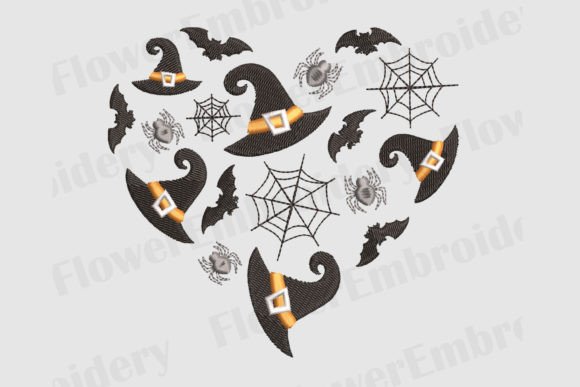
The first thing that strikes you about this design is its clever composition. It is not merely a collection of spooky icons thrown together; it is a cohesive, heart-shaped arrangement made entirely of witch’s hats, bats, spiders, and spider webs. This structural choice immediately elevates it above generic clip-art styles. For an Etsy seller or craft business owner, this matters. It signals intentionality. The mood is playful rather than terrifying, making it versatile for a wide demographic, from children’s items to adult novelty wear.
Real-World Application: The Tote Bag Test
To truly judge a design, you must imagine it stitched out. I visualized this pattern on a natural canvas tote bag design. Canvas is a forgiving medium, but it reveals issues with stitch density quickly. Because the design relies on multiple small elements like bats and webs to form the larger heart shape, spacing is critical. In my mental mockup, the negative space between the spider webs allows the fabric texture to breathe, preventing that stiff, cardboard-like feel that plagues poorly digitized holiday embroidery.
This specific layout works exceptionally well for custom apparel as well. Imagine this centered on the chest of a black hoodie or the back of a denim jacket. The heart shape provides a familiar, comforting silhouette, while the internal details add the necessary seasonal flair. For a small shop product, this balance is key. It is recognizable as Halloween-themed without being so aggressive that the customer can only wear it on October 31st. It extends the wearable life of the finished product, which is a major selling point for buyers.
Technical Considerations for Stitchers
When dealing with intricate motifs like spiders and webs, we must talk about stabilizer choice and thread colors. This design likely utilizes a mix of satin stitch for the bold outlines of the hats and bats, and finer running stitch or light fill stitch work for the delicate webs. If you are stitching this on a stretchy fabric, such as a jersey t-shirt, a cut-away stabilizer is non-negotiable. The tension from the satin columns could cause puckering if the base is not sufficiently supported.
Color contrast is another vital factor. Since the design includes dark elements like bats and potentially lighter webs, your fabric choice dictates your thread palette. On a dark garment, you might need to use metallic or bright orange threads to ensure the spider webs do not disappear. Conversely, on a light baby embroidery item, you must ensure the dark bats do not bleed or look too harsh. I always recommend running a test on scrap fabric of the same weight and texture before committing to your final handmade product. This saves both thread and reputation.
Navigating Fabric and Hoop Constraints
One must be realistic about where this design fits physically. While the heart shape is compact, the detailed corners involving the spider legs and web strands require precision. If you are working with a small hoop size, ensure the design fits with adequate margin. Crowding the edges of the hoop can lead to misalignment, especially if the machine struggles with the frequent direction changes required by the bat wings and hat brims.
Textured fabrics present another challenge. If you are aiming for a rustic look with a linen apron or a coarse burlap sack, the fine details of the spider webs might get lost in the weave. In such cases, this design might function better as an applique design, where fabric pieces are used for the larger shapes like the witch hats, reducing stitch count and increasing visibility. However, for smooth cottons, polyesters, and twills, the standard digital embroidery file should perform beautifully.
Be cautious with curved surfaces like caps. While a cap front panel is a popular spot for embroidered patch styles, the horizontal spread of the heart might distort if the cap is deeply curved. Always check the dimensions against your specific cap buckram area. For flat items like pillow covers or tea towels, this distortion risk is nonexistent, making them safer bets for first-time users of this file.
Commercial Viability and Brand Consistency
For those of us selling design assets or finished goods, the visual appeal of this piece translates directly to perceived value. A well-digitized design suggests professionalism. When a customer sees clean lines and no stray threads in your printable mockup or actual photos, their trust in your brand increases. This design supports that narrative. It feels curated.
However, before listing this as a commercial embroidery item, you must verify the licensing terms associated with the digital embroidery file. Not all downloads allow for unlimited commercial sales. Check whether you need to attribute the designer or if there are caps on the number of physical items you can produce. This due diligence protects your small business from legal headaches down the line.
Additionally, consider how this design fits into your broader catalog. If your brand is known for minimalist aesthetics, this might be too busy. If you specialize in whimsical, detailed work, it is a perfect fit. Consistency helps build a loyal customer base who know what to expect from your personalized gift offerings.
Final Verdict for Makers
The Witch Halloween Machine Embroidery design is a strong contender for your autumn lineup. Its heart-shaped composition offers a unique twist on traditional spooky imagery, making it stand out in a saturated market. It is versatile enough for sweatshirt embroidery, tote bags, and home decor, provided you respect the technical requirements of stitch density and stabilization.
My advice is to start with a test run on a mid-weight cotton using high-quality rayon or polyester threads. Pay close attention to the junctions where the bats meet the webs, as these are the most likely areas for thread breaks or nesting if the tension is off. Once dialed in, this design can become a staple in your seasonal rotation, offering customers a charming, high-quality piece of Halloween art that they will want to display year after year. It is not just a file; it is a tool for creating memorable, tactile experiences for your clients.