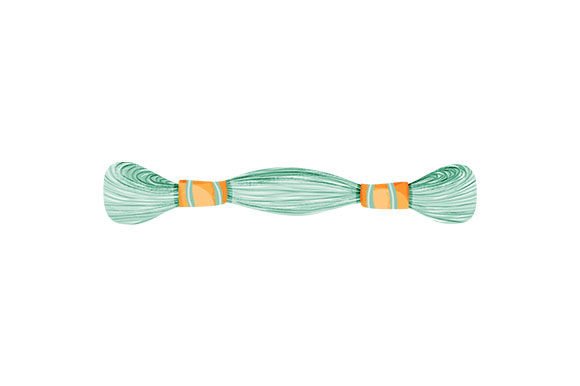
Reviewing Embroidery Thread - Watercolor for Real Projects
As a designer who spends more time staring at stitch previews than I care to admit, I have learned that not every digital file translates well to fabric. We often get swept up in the aesthetic of a thumbnail image, only to realize later that the stitch density is too high for a lightweight tee or the details are too fine for a textured towel. Today, I am taking a close, practical look at Embroidery Thread - Watercolor. This is not just a quick glance; it is an evaluation based on how this design behaves when it moves from the screen to the hoop.
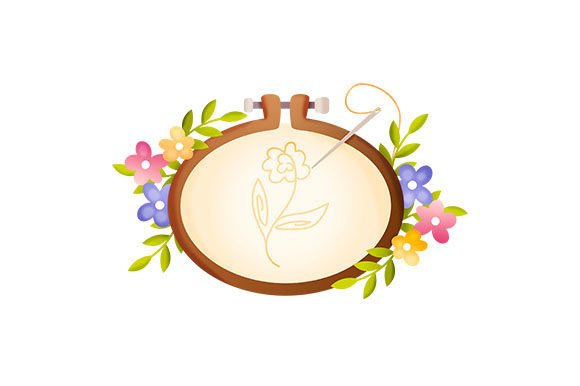
The first thing that strikes me about Embroidery Thread - Watercolor is its mood. It does not scream for attention with aggressive boldness. Instead, it offers a soft, artistic presence that mimics the fluidity of paint. For those of us in the Hobbies and Crafts space, specifically those running small shops, this subtlety is a double-edged sword. It looks beautiful, but it requires careful handling to ensure it does not get lost on the final product. The layout feels organic, avoiding rigid geometric constraints, which makes it ideal for projects where you want a handmade, artisanal feel rather than a corporate logo look.
Real-World Application: The Custom Tote Test
To truly understand the value of this machine embroidery design, I imagined a specific scenario: a custom order for a boutique client wanting branded tote bags. These are not cheap promotional items; they are canvas totes meant for daily use, carrying books, groceries, and life. I visualized placing Embroidery Thread - Watercolor on the lower corner of a natural cotton canvas bag.
In this context, the design shines. The watercolor theme complements the natural texture of the canvas. However, this is where my designer instincts kick in. Because the design relies on a softer aesthetic, the choice of thread colors becomes critical. If I were to use a single strand of thread that is too close in value to the fabric, the design would vanish. I would recommend using a slightly contrasting shade or perhaps a variegated thread to enhance the "painted" effect. The visual personality of the design suggests it belongs on items that are touched and used, adding a layer of warmth that cold, vector-style graphics often lack.
Versatility Across Product Lines
Beyond tote bags, where else does this embroidery file fit? I see strong potential in sweatshirt embroidery. A crewneck sweatshirt provides a substantial, stable surface that can handle the stitch work without puckering. Placed on the chest or even larger on the back, Embroidery Thread - Watercolor could serve as a statement piece for a clothing line. It works equally well for baby embroidery projects, such as muslin swaddles or onesies, provided the stitch count is manageable and the backing is soft enough for sensitive skin.
For Etsy sellers and craft business owners, this design offers versatility. It can be adapted for holiday embroidery if the color palette is shifted to seasonal tones, or used year-round for personalized gift items like aprons and kitchen towels. The key is recognizing that this is not a one-size-fits-all graphic. It is a design asset that requires you to think about the end user. Will they wash it frequently? Will it rub against other surfaces? These questions determine whether the design holds up over time.
Technical Considerations and Fabric Choices
Let us talk about the technical realities. When working with a design that emulates watercolor, you are often dealing with gradients or subtle shifts in tone. In embroidery, we achieve this through fill stitch patterns and careful color blending. You must check the stitch density carefully. If the design is too dense, it will create a stiff patch on soft fabrics like jersey knits or thin cottons. This stiffness can be uncomfortable and may cause the garment to pull or warp.
I advise extreme caution when using this on stretchy fabric or thin fabric without proper stabilization. A cut-away stabilizer is likely necessary to support the stitches and prevent distortion after washing. Conversely, on textured fabrics like terry cloth or heavy linen, some of the finer details might get lost. In those cases, scaling up the design or simplifying the color changes might be necessary to maintain clarity.
Another critical area is curved surfaces, such as caps or hats. While Embroidery Thread - Watercolor could look stunning on a dad hat, the curvature requires precise hooping and potentially a different underlay strategy to ensure the design lays flat. If the design includes tiny lettering or intricate corners, these areas are prone to thread breaks or poor definition if the machine tension is not perfectly calibrated.
Enhancing Brand Value and Customer Trust
Why does this matter for your bottom line? Because presentation builds trust. A sloppy embroidery job tells a customer that you do not care about quality. A crisp, well-executed Embroidery Thread - Watercolor design tells them that you are a professional. It elevates a simple handmade product into a boutique-quality item. This perception of value allows you to price your work higher and compete with mass-produced goods.
For digital product sellers, providing a high-quality preview is essential. Since you receive this design in formats including SVG File, Transparent PNG, EPS, and DXF, you have the tools to create excellent printable mockup images. Use the transparent PNG to overlay the design on various product photos. Show customers how it looks on a dark hoodie versus a light tote. This transparency helps buyers visualize the final result, reducing hesitation and increasing conversion rates.
Practical Designer Notes for Success
Before you commit to stitching this on a client’s expensive garment, follow these steps:
- Test on scrap fabric first. Never skip this step. Use the same fabric type and weight you intend to use for the final product.
- Check thread color contrast. View your design in black and white to ensure the values are distinct enough to be seen clearly.
- Review stitch density. If it feels too heavy, consider resizing or adjusting the density settings in your embroidery software if possible.
- Confirm hoop size. Ensure the design fits comfortably within your hoop with enough margin for stability.
- Inspect small details. Zoom in on the digital file. Are there tiny jumps or complex turns that might cause thread breaks?
- Use proper stabilizer. Match the stabilizer to the fabric. Tear-away for stable wovens, cut-away for knits.
- Verify licensing. Always confirm the license terms before selling finished items or using the design in commercial projects.
It is also worth noting that while the product description lists SVG, PNG, EPS, and DXF, these are typically cutting or print formats. For machine embroidery, you usually need specific stitch files like PES, DST, or JEF. If these are not explicitly listed, you must clarify with the seller whether this is a digitized embroidery file or a graphic for print-on-demand. This distinction is vital for commercial embroidery workflows.
Final Thoughts on Embroidery Thread - Watercolor
In the world of design assets, Embroidery Thread - Watercolor stands out as a thoughtful, artistic option for creators who value aesthetics. It is not the easiest design to master, but it rewards patience and precision. Whether you are creating a custom apparel line, crafting embroidered patch collections, or making holiday gifts for friends, this design offers a sophisticated touch. By respecting the technical requirements and understanding the fabric dynamics, you can transform this digital file into a tangible, beautiful reality that customers will love to own and wear.