Reviewing the Embroidery Hoop with Halloween Pumpkin
As a designer who spends more time staring at stitch simulations than actual fabric, I have learned to be skeptical of digital previews. A design can look crisp on a monitor and turn into a tangled mess of thread breaks and puckering once it hits the hoop. When I first opened the Embroidery Hoop with Halloween Pumpkin file, my initial reaction was one of cautious optimism. The concept is classic, but execution is everything in machine embroidery. This isn’t just about having a spooky motif; it is about how that motif translates into a tangible, high-quality handmade product that customers will value.
First Impressions and Visual Personality
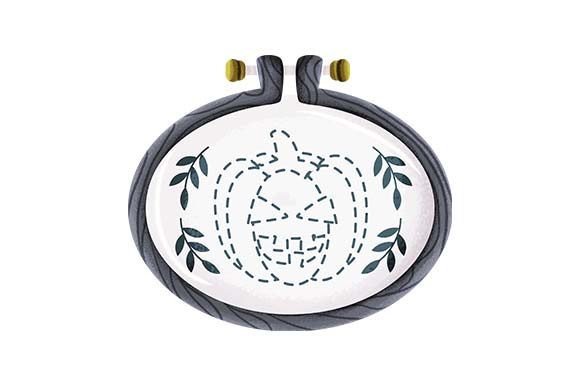
The immediate appeal of this design lies in its framing. By incorporating the hoop element directly into the artwork, it creates a self-contained vignette that feels intentional rather than slapped on. For those of us in the Hobbies and Crafts space, we know that presentation drives sales. The pumpkin motif itself strikes a balance between whimsical and traditional. It does not rely on overly complex shading that requires hundreds of color changes, which is a relief for production efficiency. Instead, it leans on strong shapes and clear lines. This visual personality suggests a design that is versatile enough for a child’s October outfit yet sophisticated enough for a boutique home decor item. The layout feels balanced, avoiding the common pitfall of having heavy elements on one side that cause the garment to twist during wear.
Real-World Application: The Tote Bag Test
To truly evaluate a machine embroidery design, you have to imagine it on a specific substrate. I mentally placed this design on a natural canvas tote bag, a staple for any Etsy seller or small shop product line during the autumn season. The circular nature of the hoop graphic complements the often square or rectangular placement on a bag’s front panel. Because the design includes its own border, it eliminates the need for additional decorative stitching around the edges, saving both thread and machine time.
In this scenario, the Embroidery Hoop with Halloween Pumpkin acts as a focal point. If I were producing these for a craft fair, I would pair it with earthy thread colors—burnt orange, deep olive, and charcoal gray—to enhance the organic feel of the canvas. The design’s clarity ensures that even from a distance, the image is recognizable. This is crucial for commercial embroidery where quick visual impact drives impulse buys. It transforms a simple utility item into a seasonal statement piece, increasing the perceived value of the finished product.
Performance on Apparel and Textures
Moving from accessories to apparel, I considered how this design would perform on a heavyweight sweatshirt. Sweatshirts are tricky due to their texture and stretch. Here, the stitch density becomes a critical factor. While I do not have the exact stitch count from the provided details, the visual complexity suggests a moderate density. This is generally good news. Overly dense designs on fleece can cause stiffness and discomfort, while too light a density might let the fabric show through, ruining the image.
For a sweatshirt embroidery project, I would recommend using a cut-away stabilizer to support the stitches without adding bulk. The design’s lines appear robust enough to hold up against the nap of the fabric. However, if you are planning to use this on a thinner material, like a t-shirt or a baby onesie, you must be careful. The Embroidery Hoop with Halloween Pumpkin likely contains some fill areas. On stretchy knits, without proper stabilization, these areas could pucker. I always advise testing on scrap fabric first, especially when moving between different fabric weights. This step is non-negotiable for maintaining professionalism in your craft business.
Navigating Technical Challenges
No design is universal, and this one has its constraints. The circular frame implies a specific hoop size requirement. You cannot simply shrink this down to a 4x4 inch hoop for a tiny pocket logo without losing detail. The fine lines of the pumpkin’s stem or the facial features might merge if scaled down too aggressively. Always check the minimum recommended size before committing to a small application like a embroidered patch or a cap front.
Additionally, consider the background. Since this is a digital asset provided in formats like SVG, Transparent PNG, EPS, and DXF, it is versatile for both embroidery and print. However, for embroidery, contrast is key. If you are stitching this on dark fabric, ensure your thread colors pop. A dark orange on black fabric might vanish. In such cases, consider adding a light underlay or choosing a brighter thread palette. For curved surfaces like caps, the rigid hoop shape in the design might distort if not digitized with pull compensation in mind. If you are not digitizing it yourself, test a sample on a curved hat buckram to see how the geometry holds up.
Commercial Viability and Brand Consistency
For digital product sellers and creative entrepreneurs, the value of this design extends beyond the stitch. The inclusion of vector files like SVG and EPS means you can use the same artwork for printable mockups, social media graphics, or even vinyl cutting. This consistency strengthens brand identity. When a customer sees the same pumpkin motif on your Instagram, your website, and the physical personalized gift they receive, it builds trust.
The Embroidery Hoop with Halloween Pumpkin fits seamlessly into a broader autumnal collection. It pairs well with other seasonal motifs, allowing you to create bundled listings. For holiday embroidery projects, timing is everything. Having a design that is quick to stitch and visually impactful allows you to fulfill orders faster during the rush. It is a reliable workhorse for your October inventory, whether you are making baby embroidery items for new parents or kitchen towels for home cooks.
Practical Designer Notes
Before you load this embroidery file into your machine, take a moment to review the technical specs. Since the description lists multiple formats, ensure you are using the correct file for your specific machine software. Convert the DST or PES files if necessary, but always preview the color sequence.
- Test Stitch Out: Always run a test on similar fabric to check for thread breaks or nesting.
- Stabilizer Choice: Use tear-away for stable woven fabrics and cut-away for knits and stretchy materials.
- Thread Contrast: Verify that your thread colors provide sufficient contrast against your chosen fabric.
- Licensing Check: Confirm the license terms. Can you sell finished items? Can you share the digital file? Never assume.
- Mockup Verification: Use the transparent PNG to create digital mockups on various products to gauge visual appeal before stitching.
In conclusion, the Embroidery Hoop with Halloween Pumpkin is a solid addition to any designer’s library. It offers a blend of aesthetic charm and practical usability. By respecting its technical limitations and leveraging its versatility across different mediums, you can create standout pieces that resonate with customers. Whether you are a hobbyist making gifts or a seasoned pro running a shop, this design rewards careful preparation with professional results.